Gambling has always played a subtle but strong role in pop culture. It’s tied to risk, reward, and living on the edge—ideas that music often explores. Across hip-hop, rock, and pop, gambling shows up not just as a theme, but as a reflection of each genre’s attitude toward risk and ambition. Let’s explore the influence of gambling on hip-hop, rock and pop music.
Hip-Hop: Hustle, Risk, and Betting on Yourself
In hip-hop, gambling often shows up as a way of thinking—not just something done at a table in Vegas. The language of the genre reflects high-stakes living, where nothing is guaranteed and everything comes down to the moves you make.
Artists like Jay-Z, Nas, Drake, and Travis Scott use phrases like “all in”, “betting on myself”, and “rolling the dice” to express confidence and risk-taking. These lines aren’t about gambling for fun—they’re about making big decisions in a high-pressure world.
Outside of the music, gambling shows up in hip-hop culture too. Drake places six-figure bets on sports games. Rappers play high-stakes poker. Music videos feature casinos and card games as part of the lifestyle. It’s not just about showing off—it’s about embracing the uncertainty that comes with success.
Rock: Rebellion and Risk
Rock has always been about pushing limits, and gambling fits right into that mindset. It’s not just a game—it’s part of the music’s larger message about breaking rules and doing things your own way.
Songs like “Ace of Spades” by Motörhead and “Tumbling Dice” by The Rolling Stones use gambling to reflect a love of danger and unpredictability. In many cases, it’s tied to bigger themes like addiction, love, and the ups and downs of life.
Many rock legends lived out these risks off-stage too—late nights at casinos, big losses, and wild stories were part of the lifestyle. The symbols of gambling—cards, dice, spinning wheels—often showed up in album art and stage design, reinforcing the genre’s connection to chance and chaos.
Pop: Style, Emotion, and the Highs and Lows
In pop music, gambling often takes on a flashier or more emotional role. It’s used to tell stories about love, heartbreak, and the risks people take in relationships.
Lady Gaga’s “Poker Face” isn’t about cards—it’s about hiding feelings. Katy Perry’s “Waking Up in Vegas” paints a picture of a wild, impulsive night that’s part fantasy, part reality. In pop, gambling is often a symbol for emotional risk, not financial stakes.
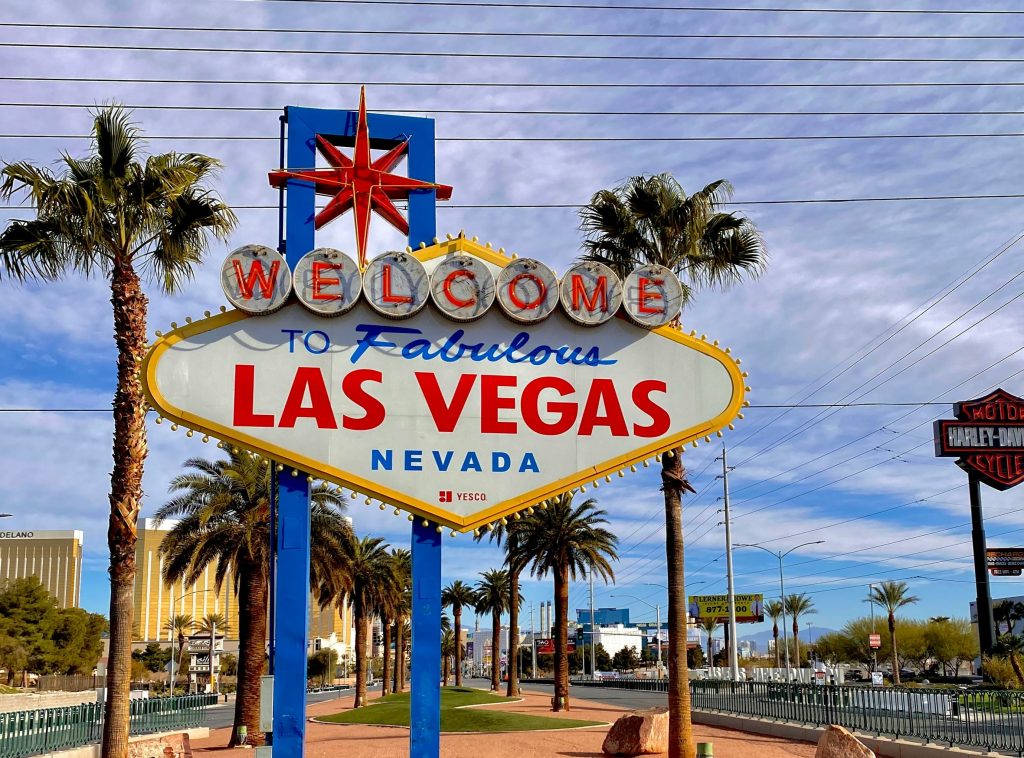
Pop songs tend to focus more on the glamorous side of gambling—neon lights, Vegas nights, and short-lived thrill. But underneath the glitz is a message about how uncertain life and love can be.
Why It Matters
Across these genres, gambling stands in for the choices people make when the outcome isn’t certain. In hip-hop, it’s about ambition. In rock, it’s about freedom. In pop, it’s about emotions and experiences.
The influence of gambling on music isn’t just about casinos or money—it’s about the human desire to take chances. And as long as music continues to explore that part of life, gambling will stay part of the story.